How to Organize Your Home to Prevent Allergies
Allergies have become increasingly common in modern lifestyles, and many triggers originate inside the home. From daily habits and food choices to interior layout and home organization, various factors can contribute to allergic reactions. Homes that lack proper organization and cleanliness tend to accumulate dust, moisture, and bacteria—making symptoms even worse.
Organizing your home correctly is one of the most effective ways to reduce allergy risks and create a truly healthy home environment for the whole family.
Generally, allergens enter the body through three primary routes: ingestion (mouth), inhalation (nose), and skin contact. Therefore, preventing allergies at home starts with eliminating or avoiding these triggers from your living space.

Food Allergies: Start with a Well-Organized Kitchen
If you or a family member has known food allergies or sensitivities to certain additives, the most effective solution is to avoid bringing those foods into your home altogether.
Organize your refrigerator and pantry systematically. Carefully select fresh food, processed food, dry goods, herbs, and condiments—keeping only items that are safe for everyone in the household. Regularly check expiration dates, inspect food quality thoroughly, and store everything under proper conditions to prevent contamination and bacterial growth.
A clean, well-ventilated, and thoughtfully designed kitchen is a key foundation of a healthy home.

Air Allergies: Managing Odors, Dust, and Indoor Air Quality
Respiratory allergies—commonly known as air allergies—are typically caused by three main factors: odors, dust, and airborne microorganisms.
1. Odor Sensitivity
If certain smells trigger symptoms—such as pollen, fragrances, cosmetics, cigarette smoke, or specific foods—it is best to eliminate or avoid these sources inside the home.
For example, certain flowering trees may produce a scent that some people enjoy, while others experience dizziness, nasal congestion, or throat irritation. In such cases, avoiding planting allergen-triggering plants near the home may be the best long-term solution.
2. Dust Mite Allergies
What many people refer to as “dust allergy” is actually a reaction to dust mites—microscopic organisms that feed on dust particles.
To reduce dust mite accumulation:
- Remove unnecessary clutter that collects dust
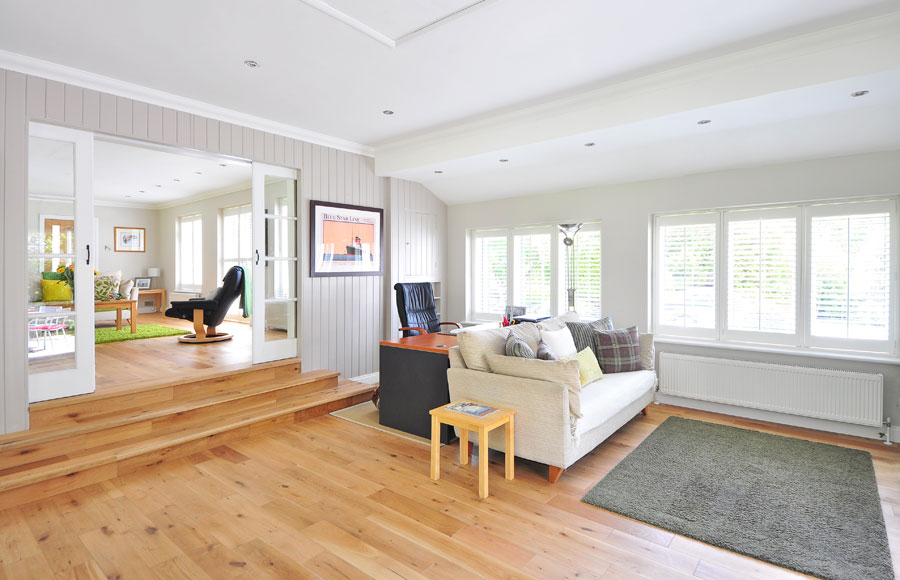
- Choose furniture with smooth, easy-to-clean surfaces
- Minimize fabric sofas, thick curtains, and carpets
- Design spaces with good ventilation and airflow
- Select raised-leg furniture for easier floor cleaning
- Avoid open shelving that easily traps dust
A clean, minimalist home design helps reduce allergen buildup and supports better indoor air quality.
Mold and Microorganisms: Control Moisture Effectively
Mold and bacteria thrive in damp environments and can trigger both respiratory and skin allergies, including rashes and hives.
To prevent moisture-related allergy problems:
- Ensure your home is airy and receives natural sunlight
- Provide proper ventilation in every area
- Design bathroom and kitchen floors with adequate slope for fast drainage
- Regularly inspect storage rooms, garages, balconies, and ceilings for moisture buildup
- Eliminate damp spots that may become breeding grounds for mold
Pet dander can also trigger allergic reactions. If allergies are present, consider designating a clearly separated area for pets to minimize close contact and reduce exposure.
Conclusion: A Hygienic Home is a Long-Term Allergy-Free Home
The principles of organizing a home to prevent allergies can be applied to all types of residences—whether a single house, townhome, or condominium.
The key priorities include:
- Eliminating allergen sources
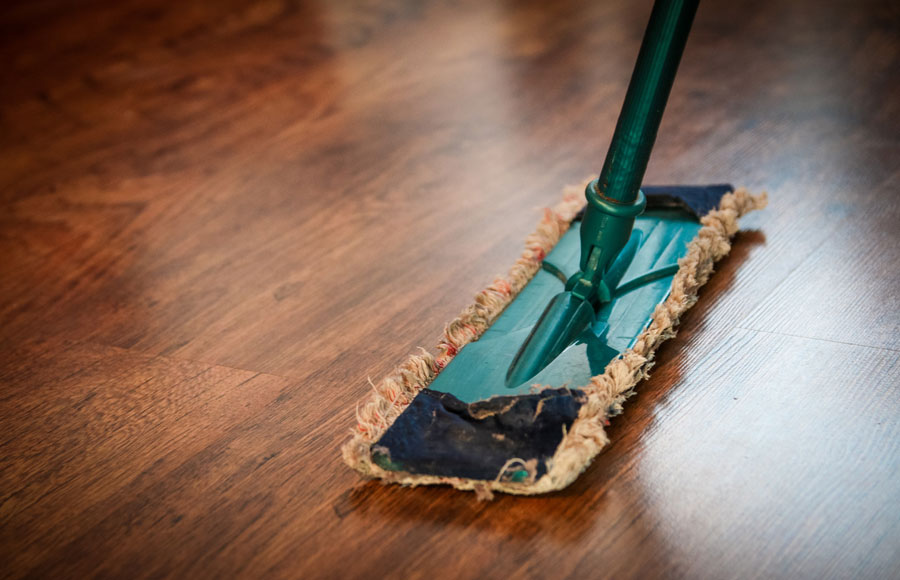
- Maintaining consistent cleanliness
- Designing for proper ventilation and airflow
- Preventing dust accumulation and moisture buildup
When a home is thoughtfully designed and properly maintained, it becomes a safe and healthy living space that enhances long-term quality of life. At REAL ASSET, we believe that good design is not only about aesthetics and functionality—but also about creating healthier environments for modern families.
Explore more details about single houses, twin houses, townhomes, and condominiums here.
Website : www.realasset.co.th
Facebook : www.facebook.com/REALASSETDEVELOPMENT
Instagram : www.instagram.com/realasset.development/
LINE Official : @realasset or https://lin.ee/kSfFgQP
Youtube : www.youtube.com/@RealAssetDevelopment
Call Center : 1232
E-Mail : info@realasset.co.th