

For many people, Feng Shui is an important consideration that should never be overlooked, even in a single room. We have gathered Feng Shui guidelines for various areas of the home to help you organize every room efficiently. You can read and apply these tips room by room.
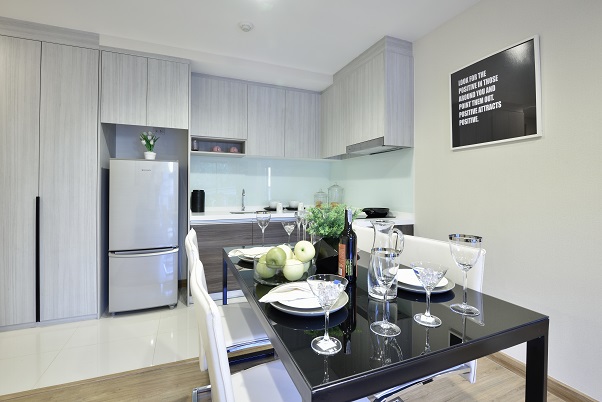
Kitchen Feng Shui
1. The Kitchen Should Not Be Located Near the Bathroom
It is believed that a kitchen near a bathroom can lead to poor fortune and lack of success. Since the kitchen is where food is prepared, unpleasant odors from the bathroom may also affect the space. A simple solution is to install a partition between the two areas.
2. Avoid Placing the Stove Near a Window
Traditional beliefs suggest that this arrangement may bring illness and bad luck. From a practical standpoint, strong winds entering through a window near an active stove may increase fire risks.
3. Avoid Having the Kitchen at the Front of the House
It is believed that this can make it difficult to save money and may bring constant worries. Cooking odors may disturb neighbors, while outdoor dust may contaminate food preparation areas.
4. Avoid Locating the Kitchen Under a Staircase
This arrangement is believed to negatively affect success and finances. Cooking fumes may disturb people using the stairs, while grease buildup can make stair surfaces dirty and slippery.
5. Uneven Kitchen Flooring
Uneven floors are considered a symbol of obstacles and misfortune. Practically speaking, uneven flooring can increase the risk of accidents.

Bedroom Feng Shui
1. Choose a Strong and Properly Sized Headboard
The headboard should be sturdy, appropriately sized, and proportionate to the mattress and bed frame.
2. Position the Bed Away from the Door
The bed may be placed diagonally from the door but should not face it directly. However, you should still be able to see the door clearly while lying in bed.
3. Ensure a Solid Wall Behind the Bed
The wall behind the bed is important because it is believed to support and preserve positive energy. A solid wall is preferred, and the color can be selected to complement the room design.
4. Create Balance Within the Bedroom
Balance is a key Feng Shui principle. For example, placing matching bedside tables on both sides of the bed helps create symmetry and harmony.
5. Maintain Smooth Energy Flow Around the Bed
Avoid sharp corners or furniture edges pointing toward the bed, as these are believed to create negative energy that may affect restful sleep.
6. Keep the Bed Away from Other Doors
The bed should not be positioned directly in line with bathroom doors or balcony doors. Furniture can be used as a divider if necessary.

Living Room Feng Shui
1. Choose an Appropriate Room Size
The living room should not be excessively large or small but should feel proportionate to the overall home.
2. Position the Main Sofa Against a Wall
The primary sofa should be placed against a solid wall, while other seating can be arranged closer to windows.
3. Use Warm Natural Colors
Natural and warm color schemes help create a welcoming and comfortable atmosphere.
4. Avoid Having the Living Room Higher Than the Dining Area
According to Feng Shui principles, the living room should not be elevated above the dining room.
5. Decorate with Natural Elements
Plants, flowers, mirrors, and natural sunlight can add vitality and freshness to the living space.
6. Keep the Living Room Clutter-Free
The area should remain open and organized. Children's toys and miscellaneous items should be stored neatly.
Bathroom Feng Shui
1. Avoid Placing the Bathroom at the Front of the House
Traditionally, this location is considered inauspicious and may contribute to moisture buildup and unpleasant odors.
2. Avoid Direct Alignment with Bedroom or Kitchen Doors
Bathrooms should not directly face bedrooms or kitchens, as moisture and odors may affect these spaces.
3. Ensure Proper Ventilation and Natural Light
Bathrooms should have sufficient airflow and lighting to prevent dampness, odors, and mold growth, which are believed to attract negative energy.
4. Consider Plumbing Placement Carefully
Water supply pipes should remain visible and avoid passing through other rooms unnecessarily. Drainage pipes, traditionally associated with the flow of negative energy, should be concealed and positioned away from main entrances and prominent areas.
Source: home.sanook.com
Q: What is good Feng Shui for a kitchen?
A: A kitchen should be separated from the bathroom, avoid placing the stove near windows, and maintain a clean, safe, and well-ventilated environment.
Q: Where should a bed be positioned according to Feng Shui?
A: The bed should allow visibility of the bedroom door without being directly aligned with it, and should have a solid wall behind the headboard.
Q: How should a living room be arranged according to Feng Shui?
A: A living room should feel open and welcoming, receive natural light, use warm colors, and have balanced furniture placement.
Q: What are the Feng Shui recommendations for a bathroom?
A: Bathrooms should be well-ventilated, receive adequate light, and avoid direct alignment with bedroom or kitchen doors.
Q: What are the benefits of Feng Shui in a home?
A: Feng Shui focuses on creating balance, comfort, and a harmonious living environment that supports overall well-being.